
 Bahasa Melayu


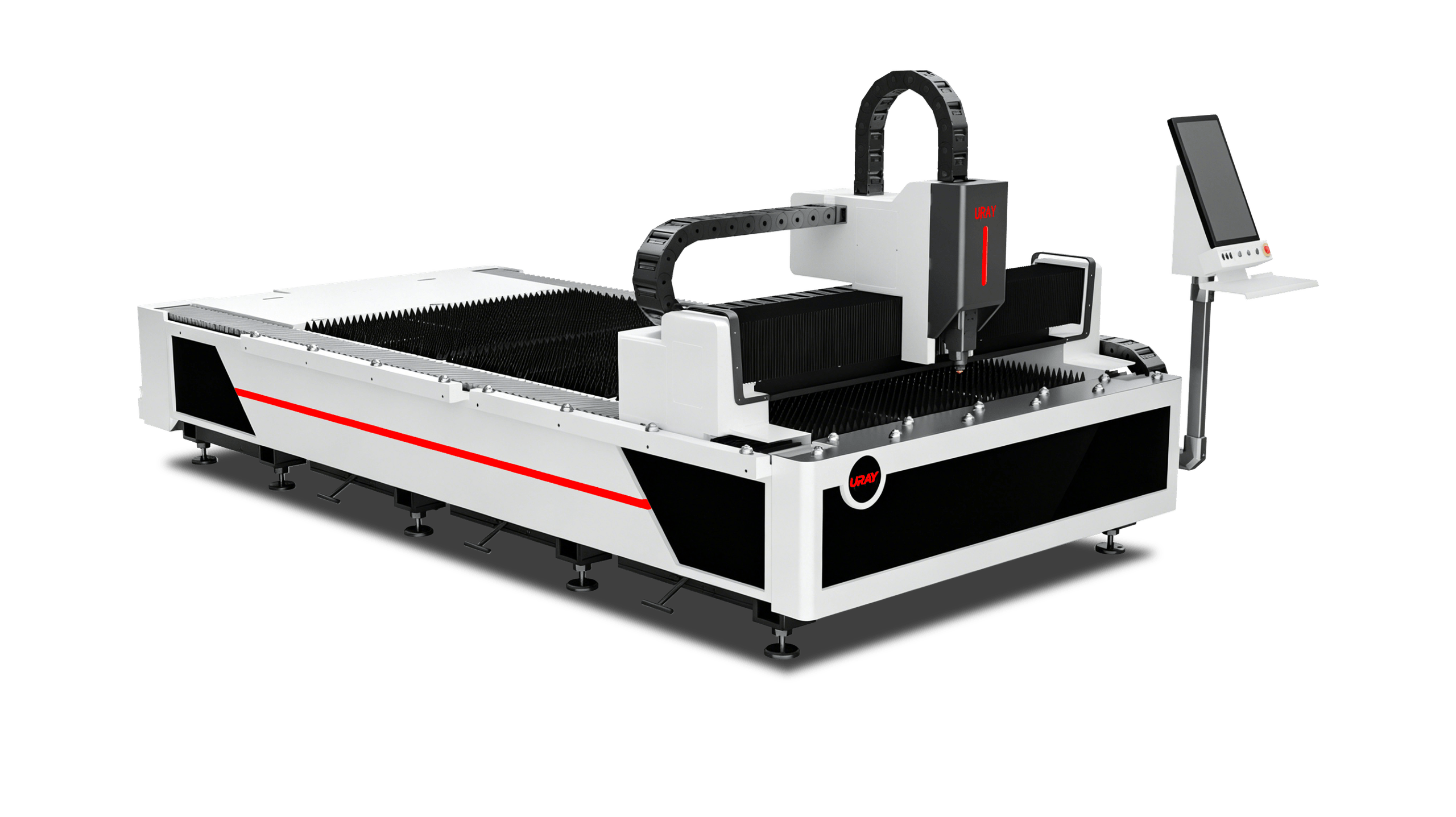
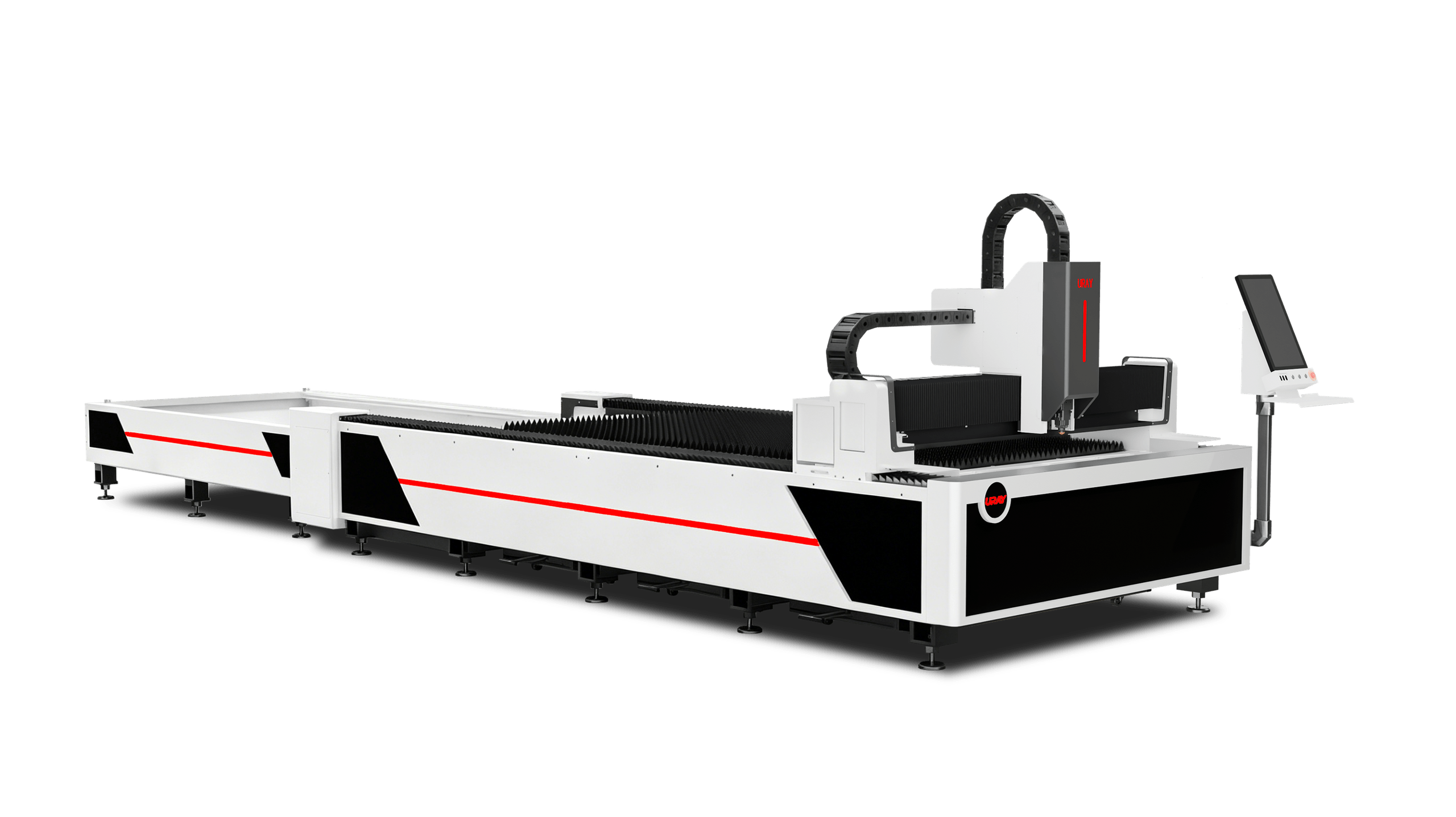
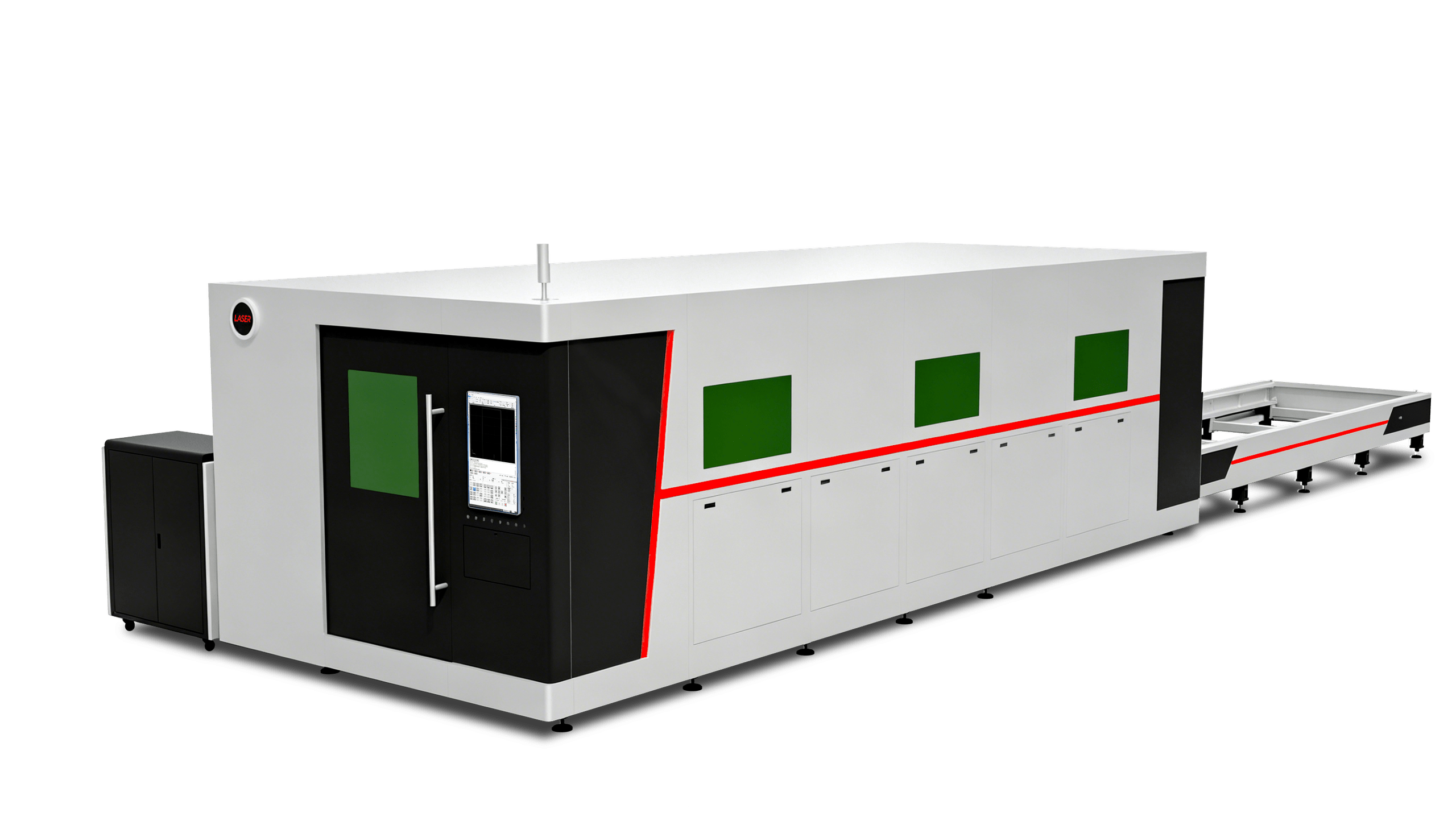
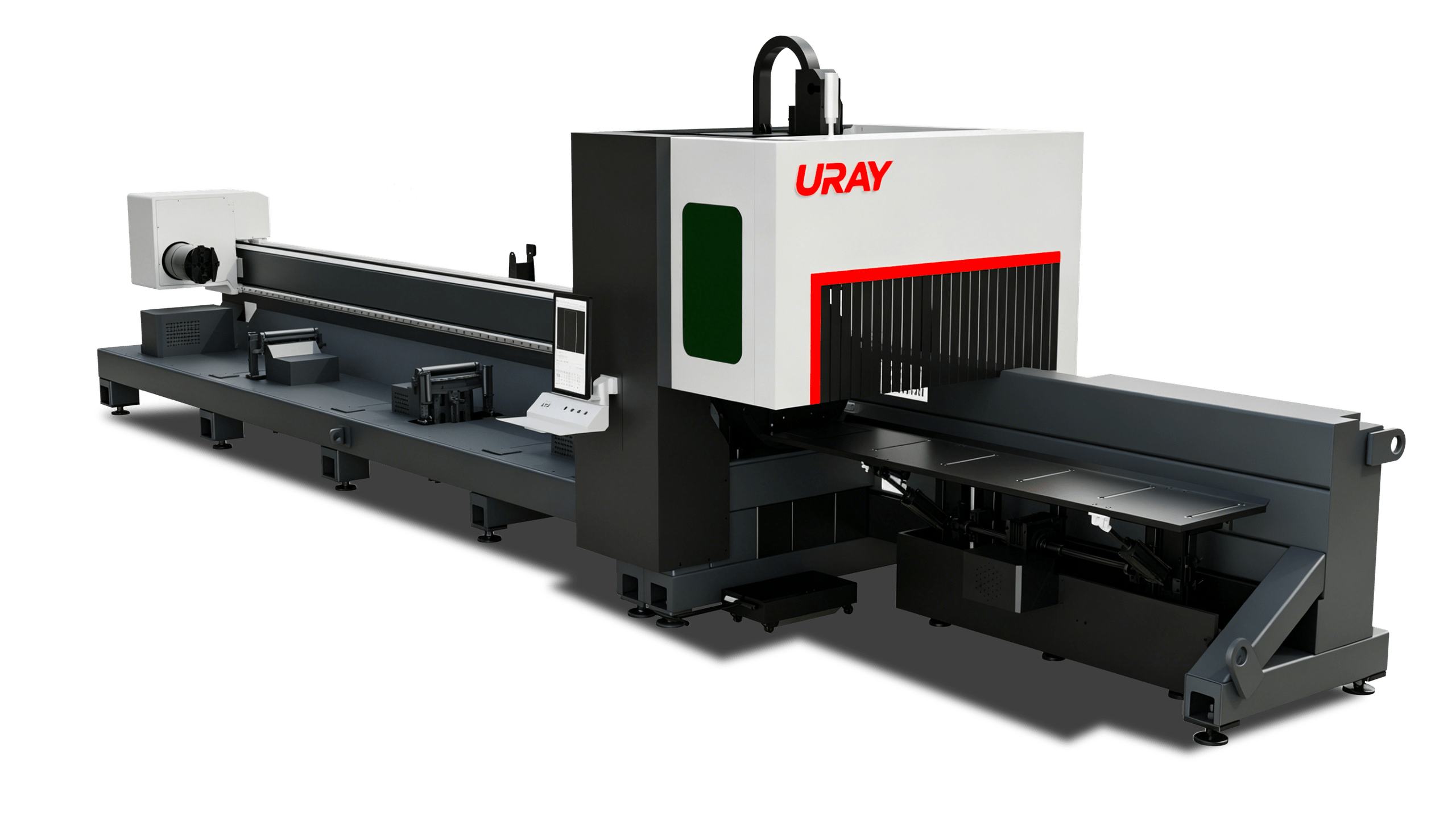
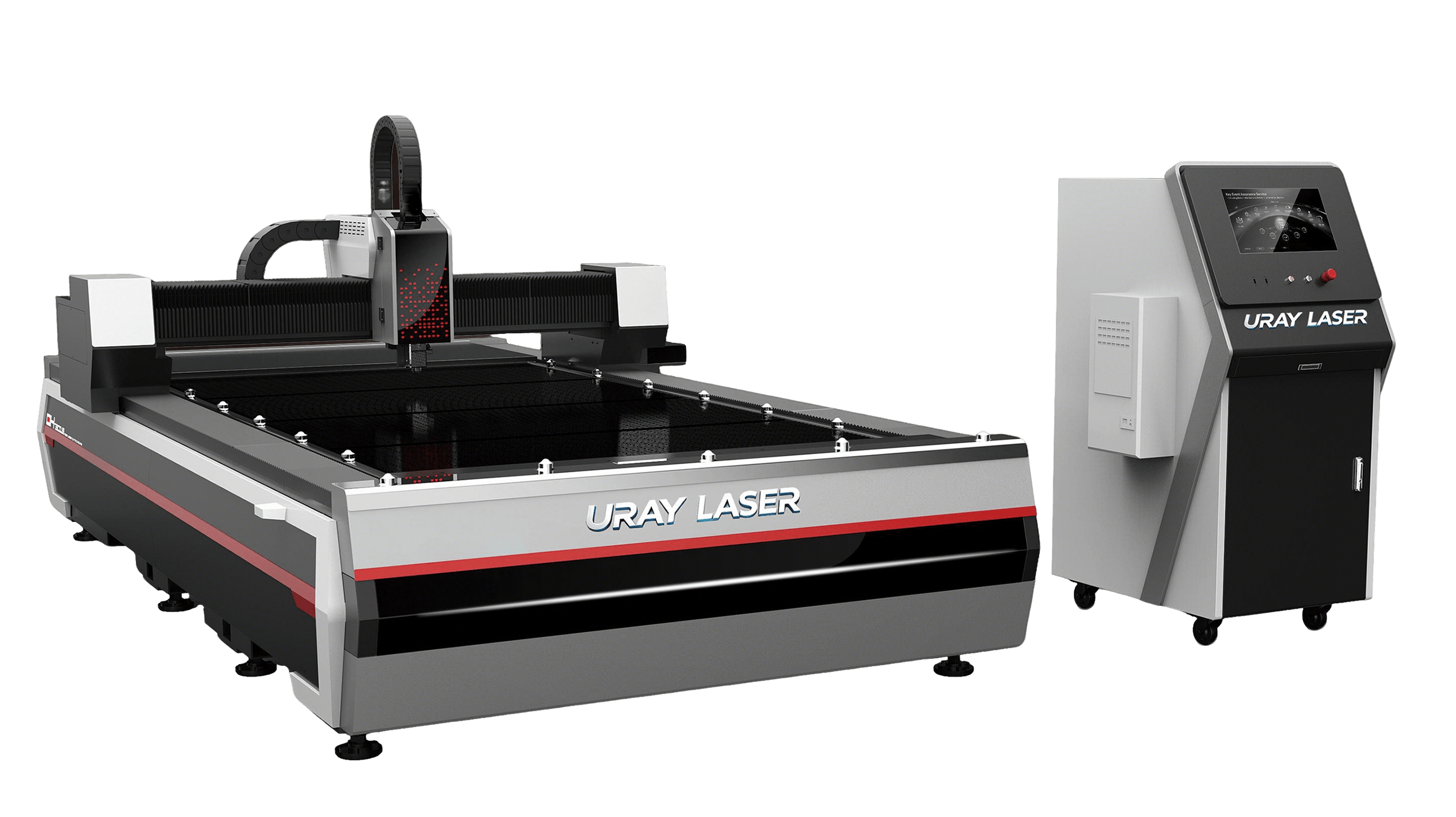
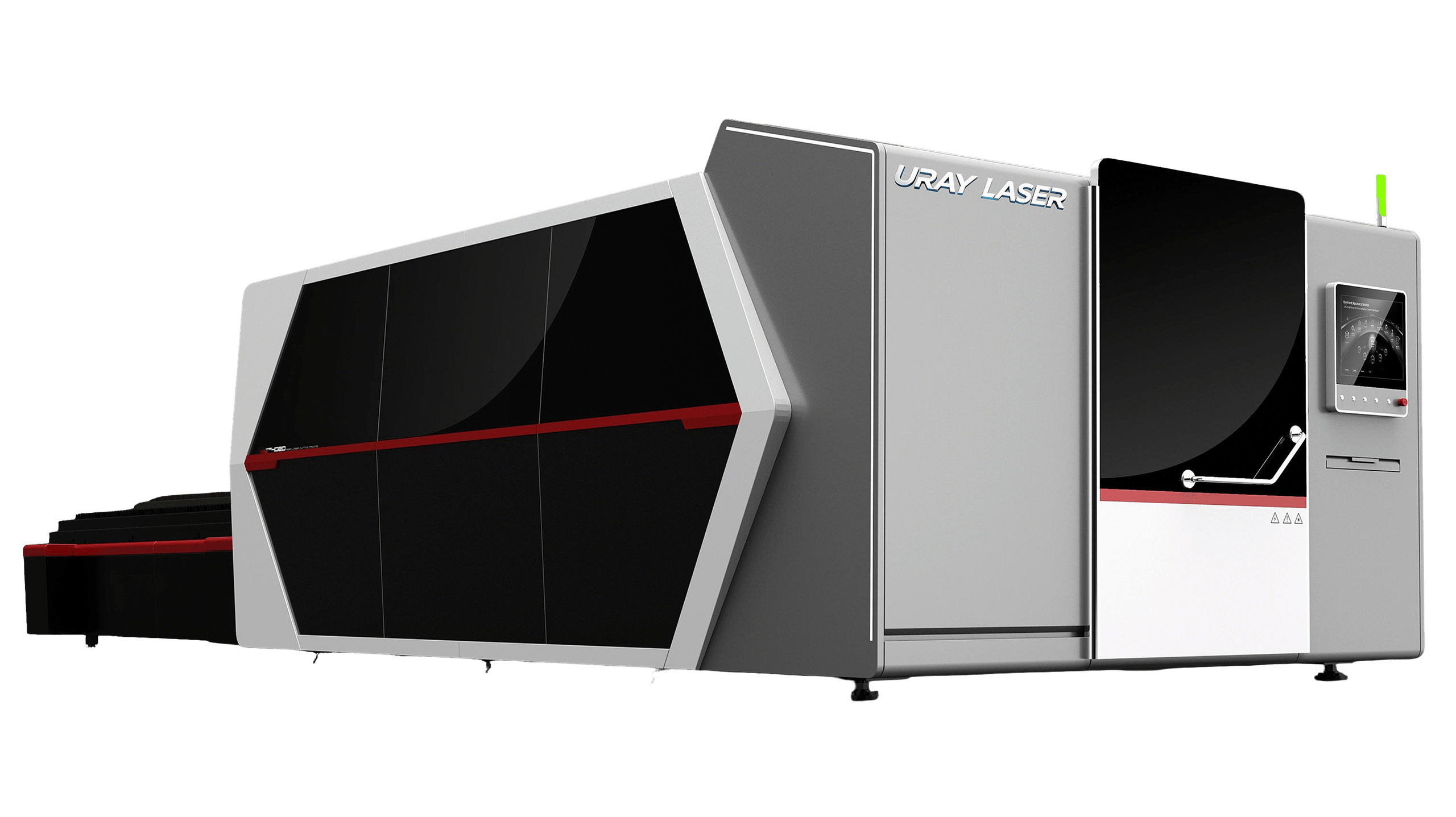
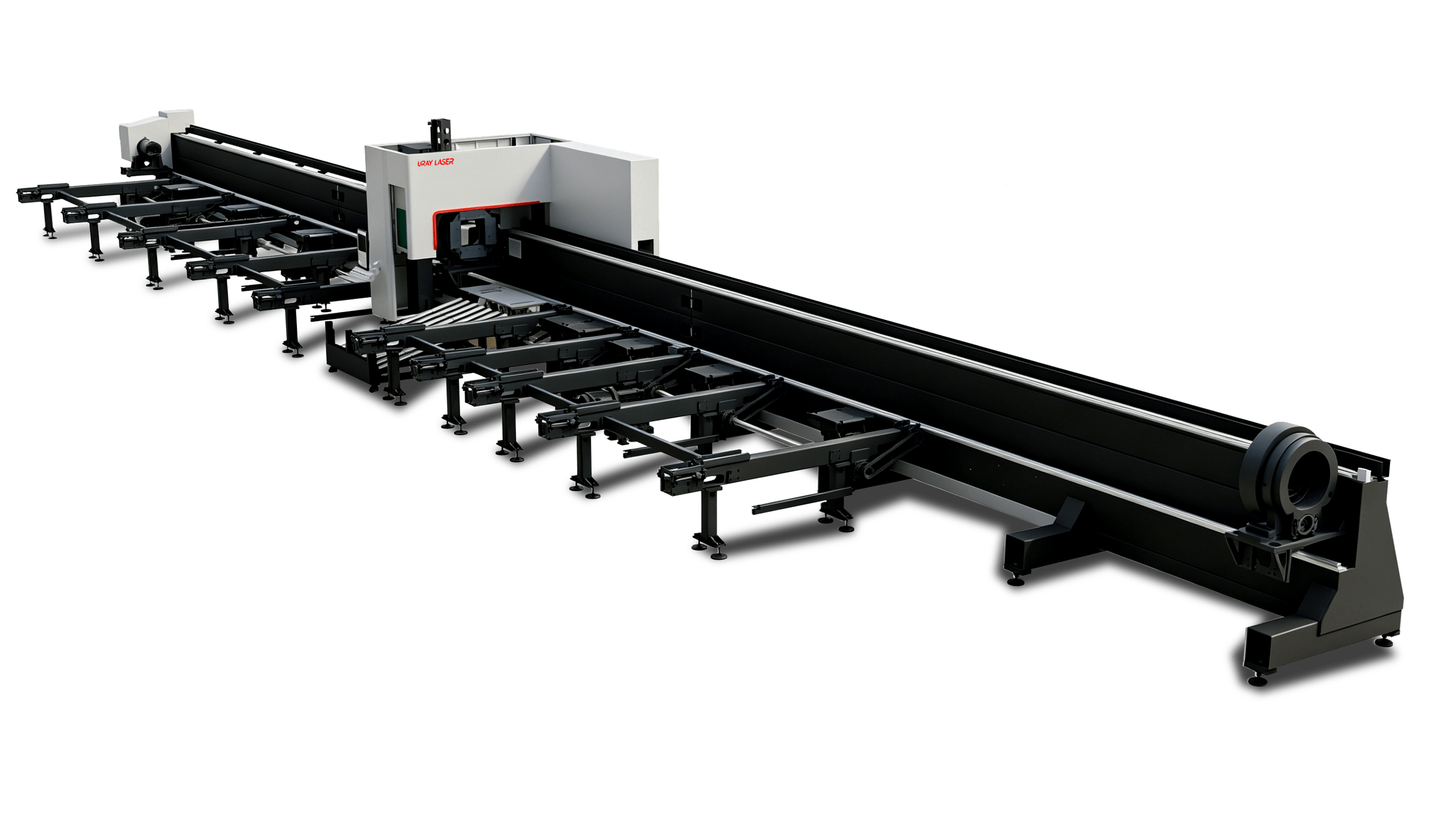
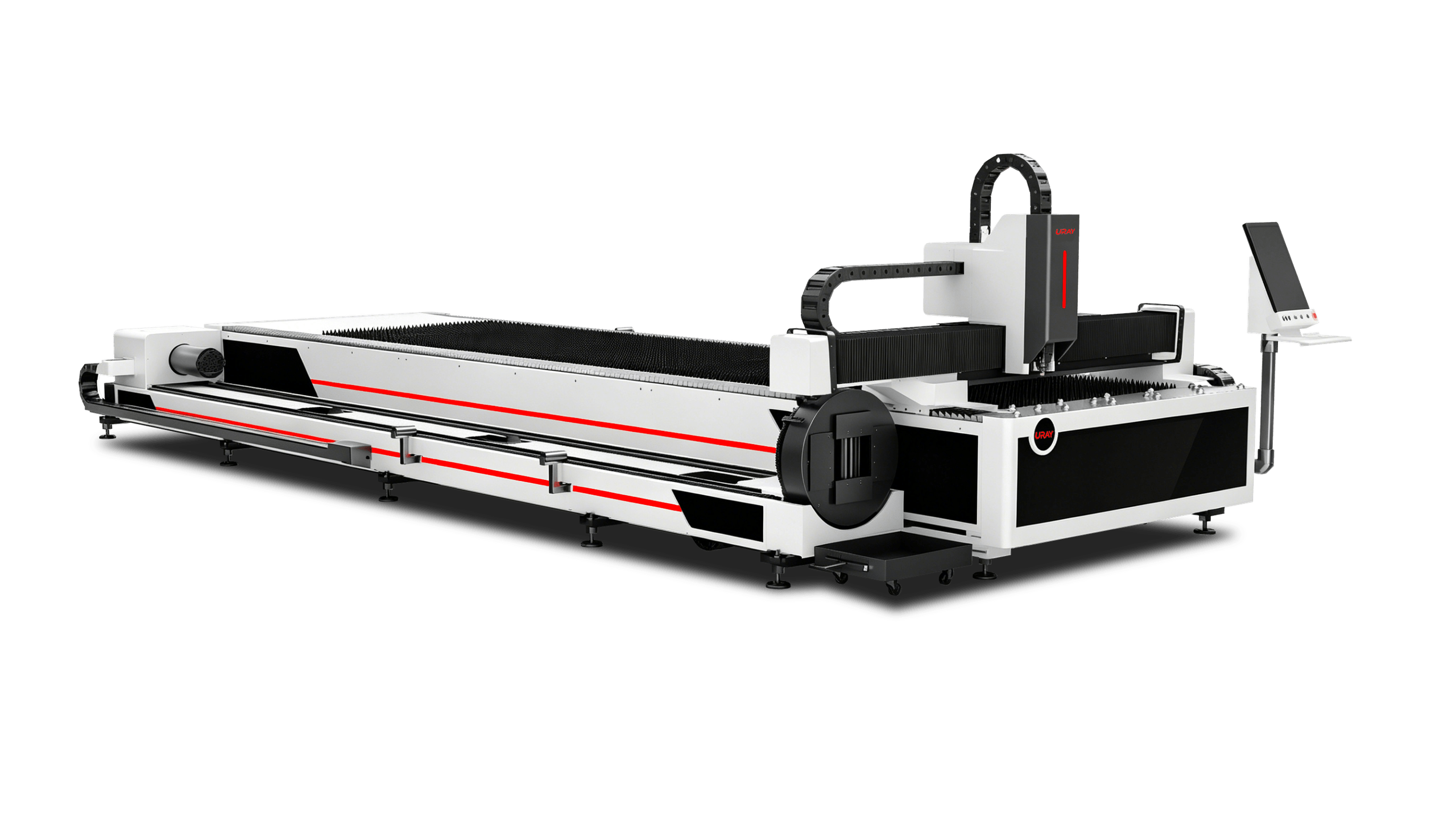
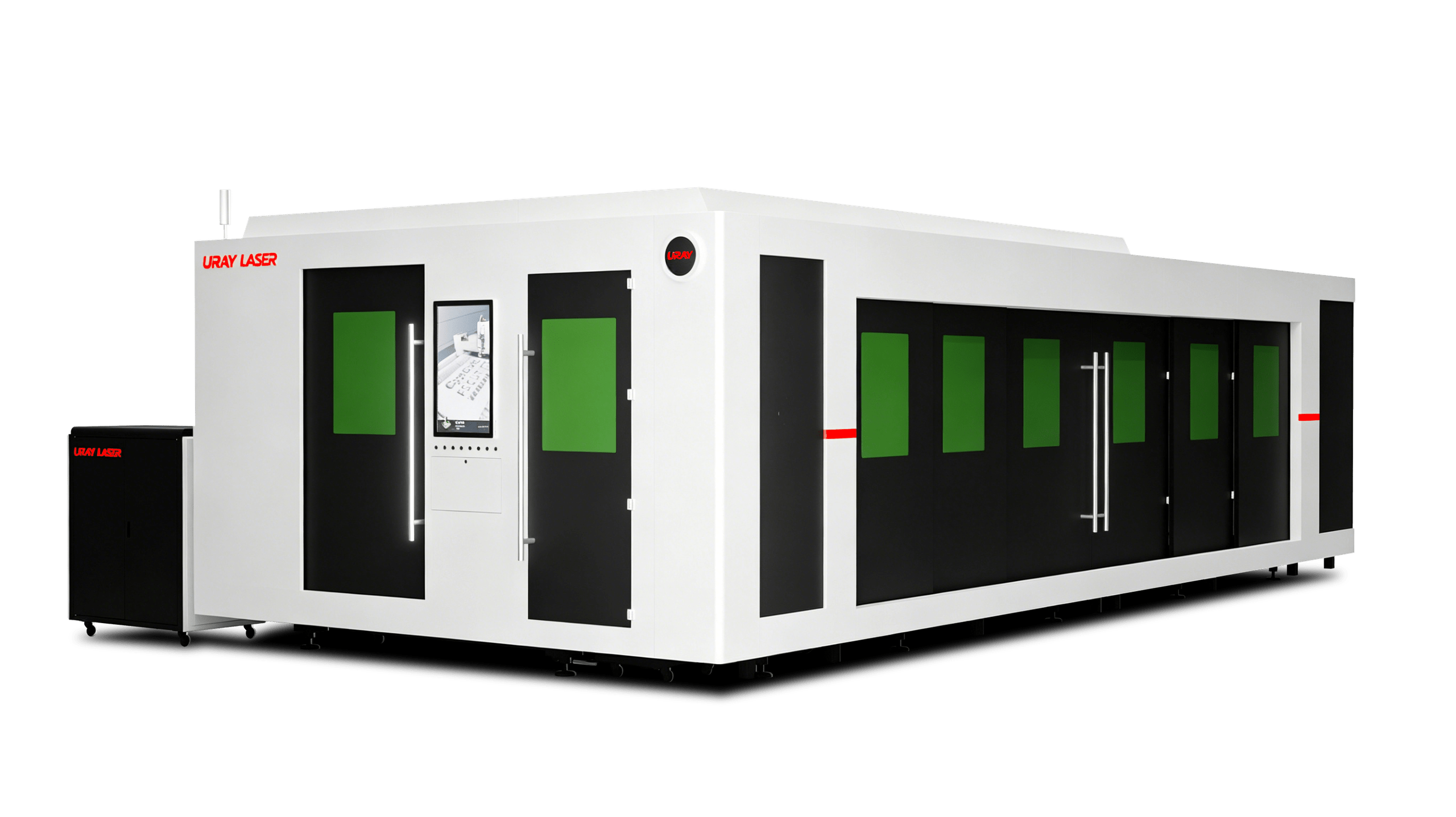
Selecting the appropriate laser cutter is a critical decision that directly impacts production efficiency, cut quality, and operational costs in metal fabrication. With various technologies available, manufacturers must evaluate their specific material requirements, throughput goals, and budget constraints to make an informed investment. This guide outlines five essential factors to consider when choosing a laser cutting system for metalworking applications.
Understanding Laser Source Technologies
The type of laser source determines the machine's capability to process different metals effectively. Fiber lasers have become the industry standard for cutting thin to medium-thickness steel, aluminum, and copper due to their superior energy efficiency and faster cutting speeds. CO2 lasers remain relevant for specialized applications involving non-ferrous metals or thicker materials where edge quality is paramount. Evaluating your primary material mix and thickness range will dictate whether a fiber or CO2 system better aligns with your production needs.
Matching Power Output to Material Thickness
Laser power, measured in watts, correlates directly with maximum cutting thickness and processing speed. A 3kW fiber laser handles most sheet metal tasks up to 12mm mild steel efficiently, while 6kW to 12kW systems are necessary for heavy plate fabrication exceeding 20mm. Over-specifying power increases capital expenditure and operating costs without proportional benefits, whereas under-specifying leads to bottlenecks. Analyze your historical job data to identify the optimal power range that covers ninety percent of your workload while maintaining competitive cycle times.
Evaluating Automation and Productivity Features
Modern laser cutters offer automation options that significantly influence overall equipment effectiveness. Automatic nozzle changers, capacitive height sensing, and integrated loading systems reduce idle time and manual intervention between jobs. For high-volume shops, pallet changers or tower storage systems enable continuous operation during material handling. Assess your batch sizes, changeover frequency, and labor availability to determine which automation level justifies its cost through measurable productivity gains rather than unnecessary complexity.
Considering Total Cost of Ownership
Purchase price represents only a fraction of long-term expenses associated with laser cutting equipment. Consumable costs, electrical consumption, maintenance intervals, and gas usage vary substantially between models and manufacturers. Fiber lasers typically consume less electricity and require fewer consumables than CO2 alternatives, resulting in lower hourly operating costs. Request detailed cost-per-part estimates from suppliers based on your actual production parameters to compare true economic value beyond initial quotation figures.
Assessing Software Integration and Support
Seamless integration with existing CAD/CAM workflows and ERP systems streamlines programming and job management. Proprietary nesting software with advanced algorithms can improve material utilization by several percentage points, translating directly into cost savings. Equally important is the supplier’s technical support infrastructure, spare parts availability, and training resources. A machine with superior specifications but inadequate local support may incur costly downtime that negates performance advantages, making vendor reliability as crucial as hardware specifications.
Summary
Choosing the right laser cutter requires balancing technological capabilities with practical business considerations. By carefully evaluating laser source type, power requirements, automation needs, total ownership costs, and software ecosystem compatibility, fabricators can select equipment that maximizes return on investment. Prioritize solutions aligned with your actual production profile rather than theoretical maximums to ensure sustainable competitiveness in metal fabrication markets.