
 Bahasa Melayu


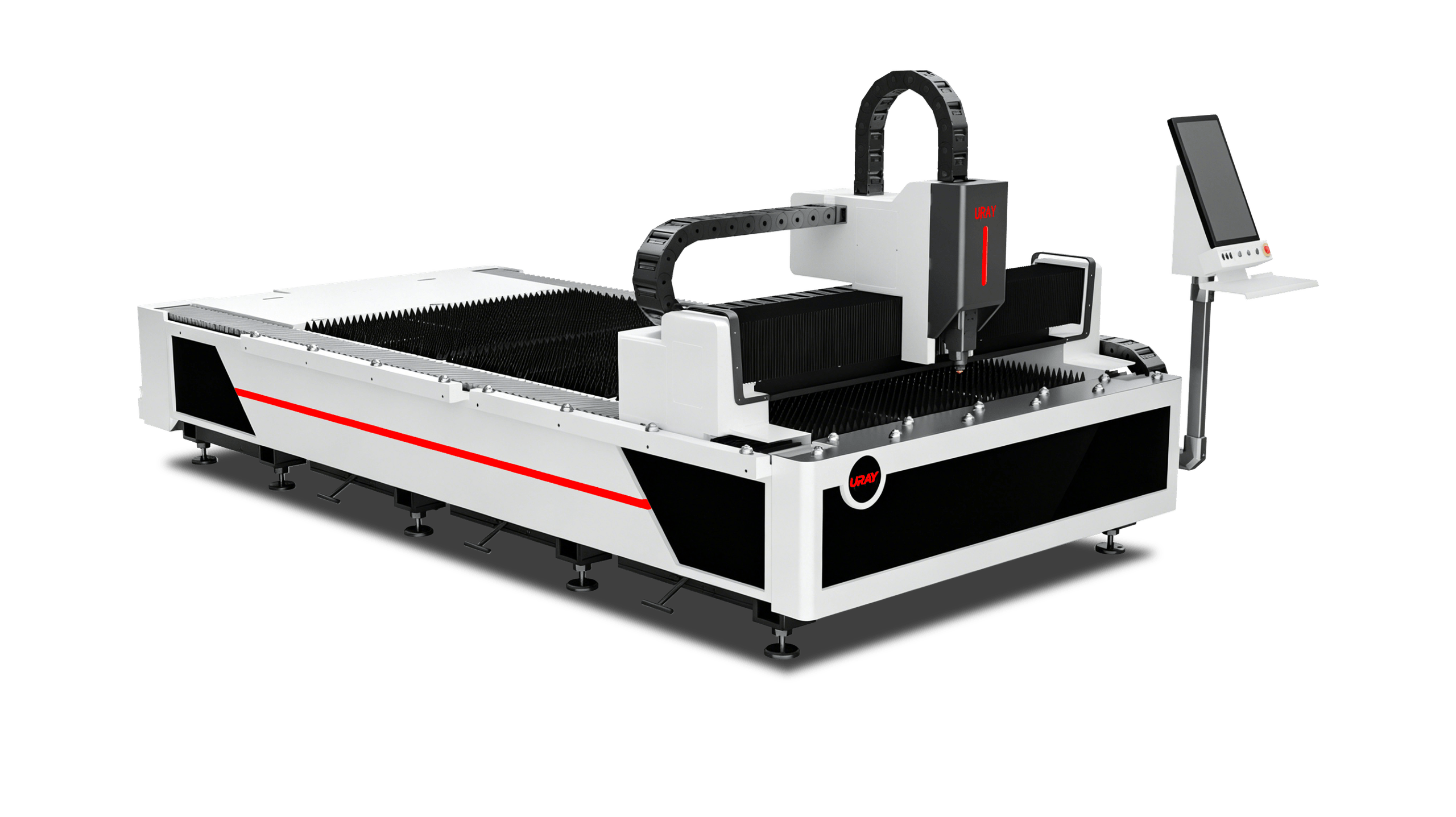
Fiber laser cutting systems have revolutionized modern manufacturing by delivering unmatched speed, precision, and energy efficiency. As industries demand faster turnaround times and lower operational costs, optimizing these systems becomes essential for maintaining a competitive edge. This article explores practical strategies to maximize the performance of fiber laser technology in production environments.
Understanding Fiber Laser Technology Fundamentals
Fiber lasers utilize optical fibers doped with rare-earth elements as the active gain medium, offering superior beam quality compared to traditional CO2 lasers. Their solid-state design results in higher electrical-to-optical conversion efficiency, typically exceeding thirty percent. Grasping these core principles allows operators to make informed decisions regarding power settings, focal lengths, and material compatibility, forming the foundation for all subsequent optimization efforts.
Optimizing Machine Parameters for Peak Performance
Achieving maximum throughput requires fine-tuning cutting parameters such as feed rate, laser power, and assist gas pressure for each specific material and thickness. Relying solely on manufacturer defaults often leaves performance gains untapped. Systematic testing and parameter logging create a customized database that reduces setup time and minimizes trial-and-error during job changeovers, directly translating to increased machine uptime and consistent cut quality.
Implementing Preventive Maintenance Protocols
Unplanned downtime is the primary adversary of manufacturing efficiency. Establishing a rigorous preventive maintenance schedule for optics cleaning, nozzle inspection, and chiller system checks prevents catastrophic failures before they occur. Monitoring consumable wear rates and replacing components proactively ensures stable beam delivery and avoids costly production interruptions, thereby extending the overall lifespan of the capital equipment.
Leveraging Advanced Software and Automation
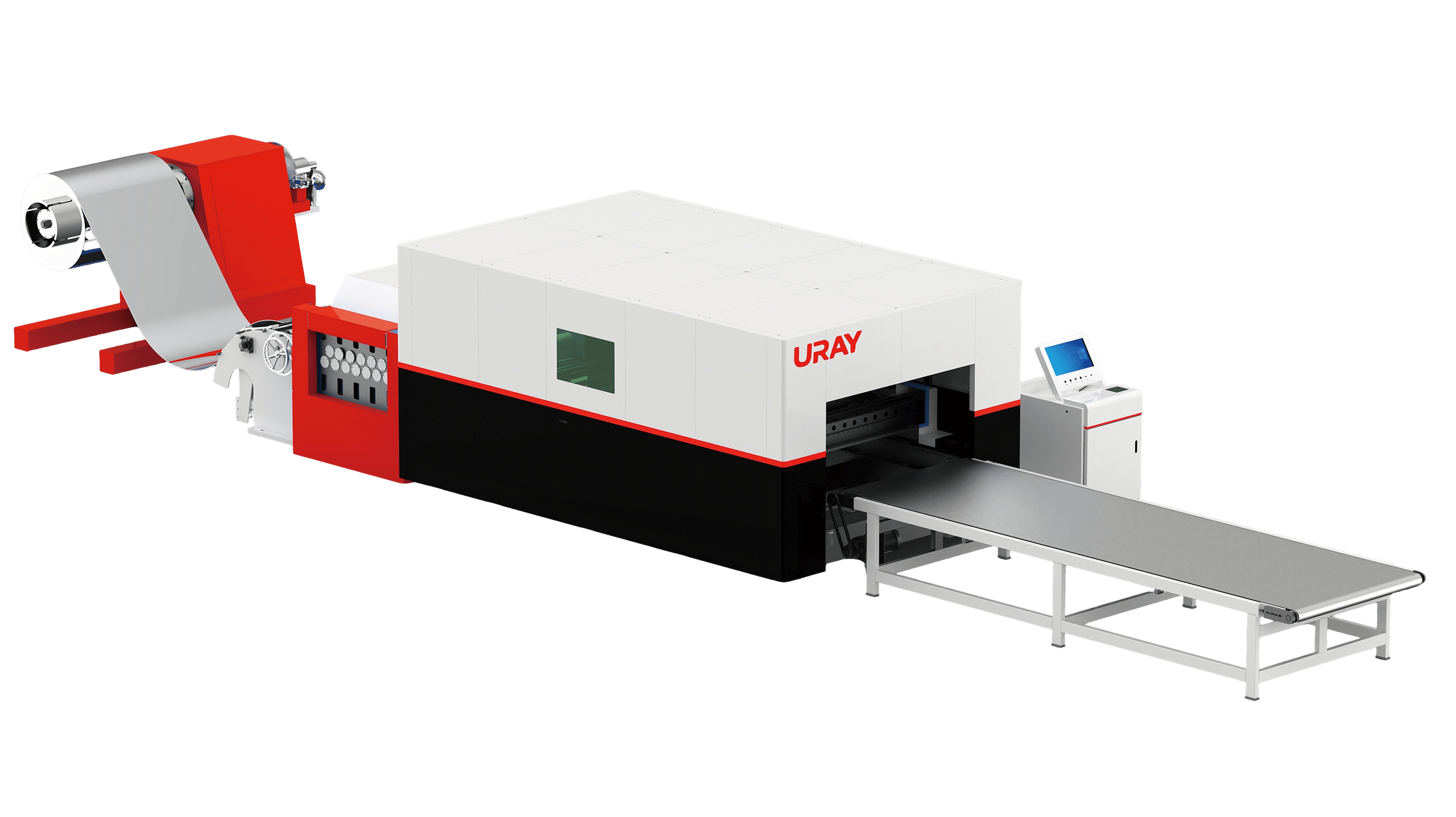
Modern fiber laser systems are only as efficient as the software controlling them. Utilizing advanced nesting algorithms maximizes material utilization and reduces scrap waste significantly. Integrating automated loading and unloading systems further enhances productivity by enabling lights-out manufacturing capabilities. Seamless data flow between ERP systems and machine controllers also streamlines workflow management and provides real-time visibility into production metrics.
Training Operators for Sustained Productivity
Even the most advanced machinery depends heavily on skilled human oversight. Comprehensive training programs ensure operators understand both theoretical concepts and practical troubleshooting techniques. Empowering staff to identify subtle changes in cut quality or machine behavior enables immediate corrective actions without waiting for external technical support. A knowledgeable workforce transforms raw technological potential into sustained, day-to-day operational excellence.
Conclusion
Maximizing efficiency with fiber laser cutting systems demands a holistic approach combining technical knowledge, disciplined maintenance, smart software integration, and continuous workforce development. By systematically addressing each of these areas, manufacturers can unlock the full potential of their investment. Ultimately, sustained efficiency drives profitability and positions businesses for long-term success in an increasingly demanding global market.