
 Bahasa Melayu


Future Innovations in Automated Laser Cutting Machinery
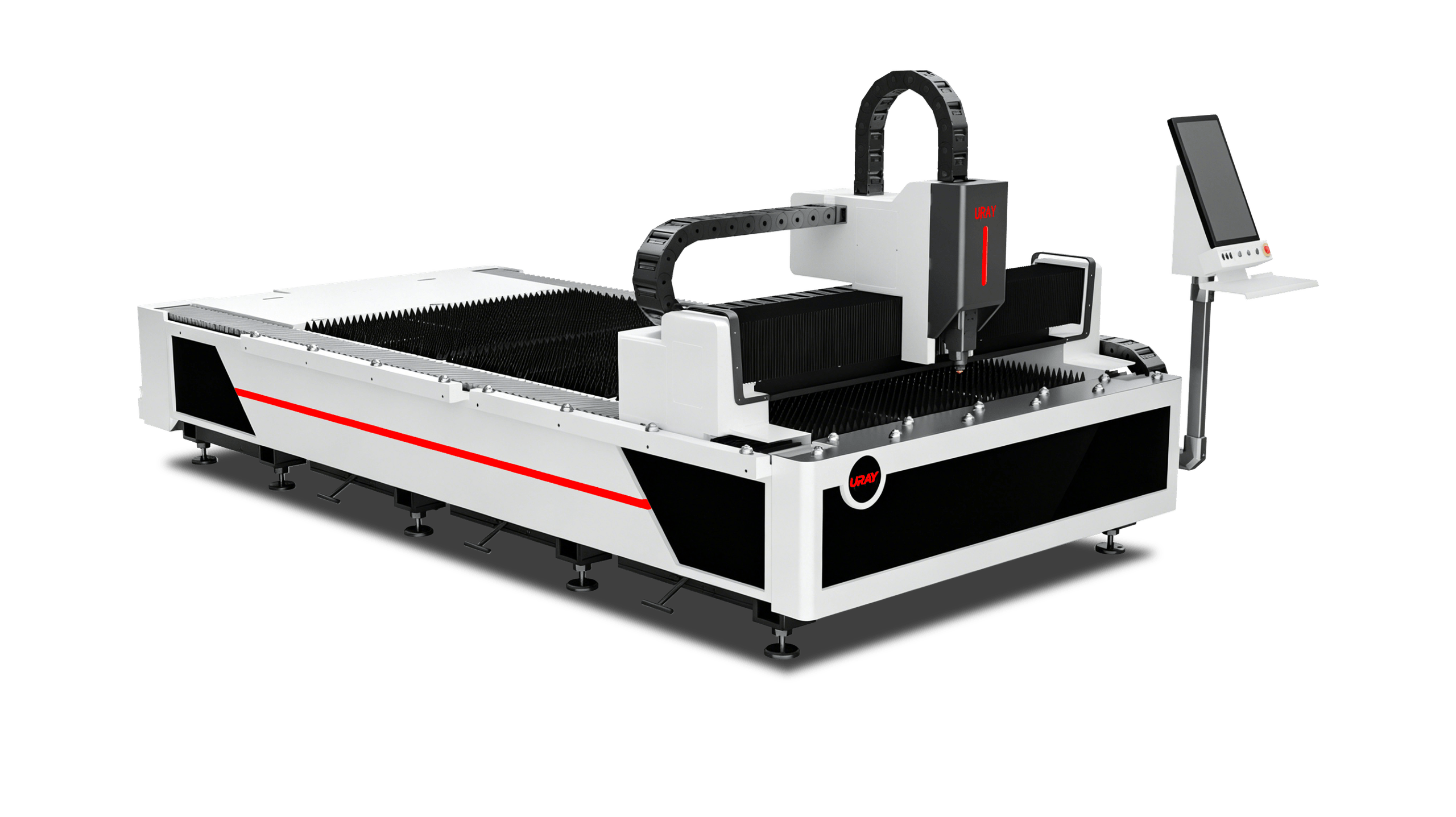
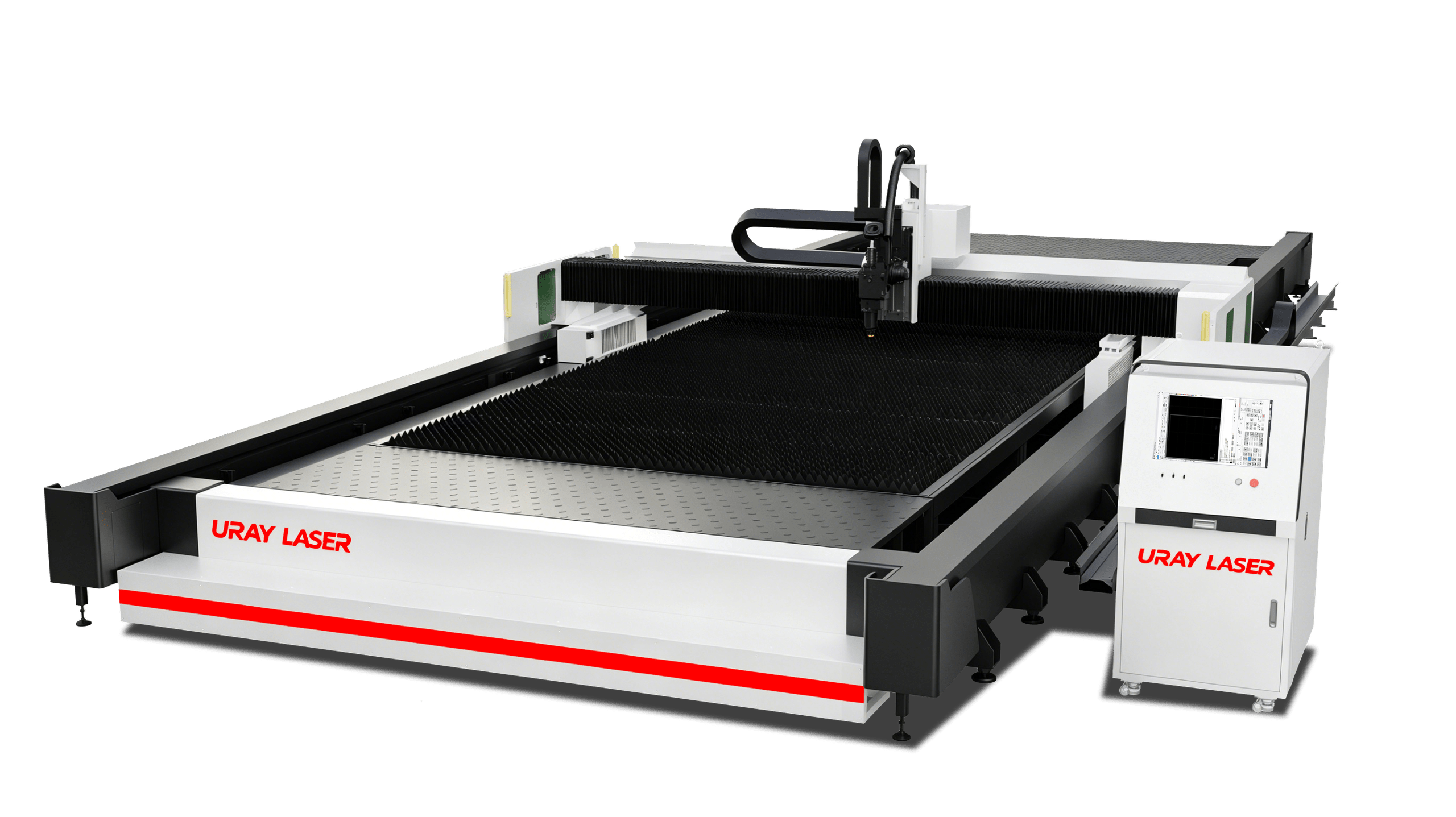
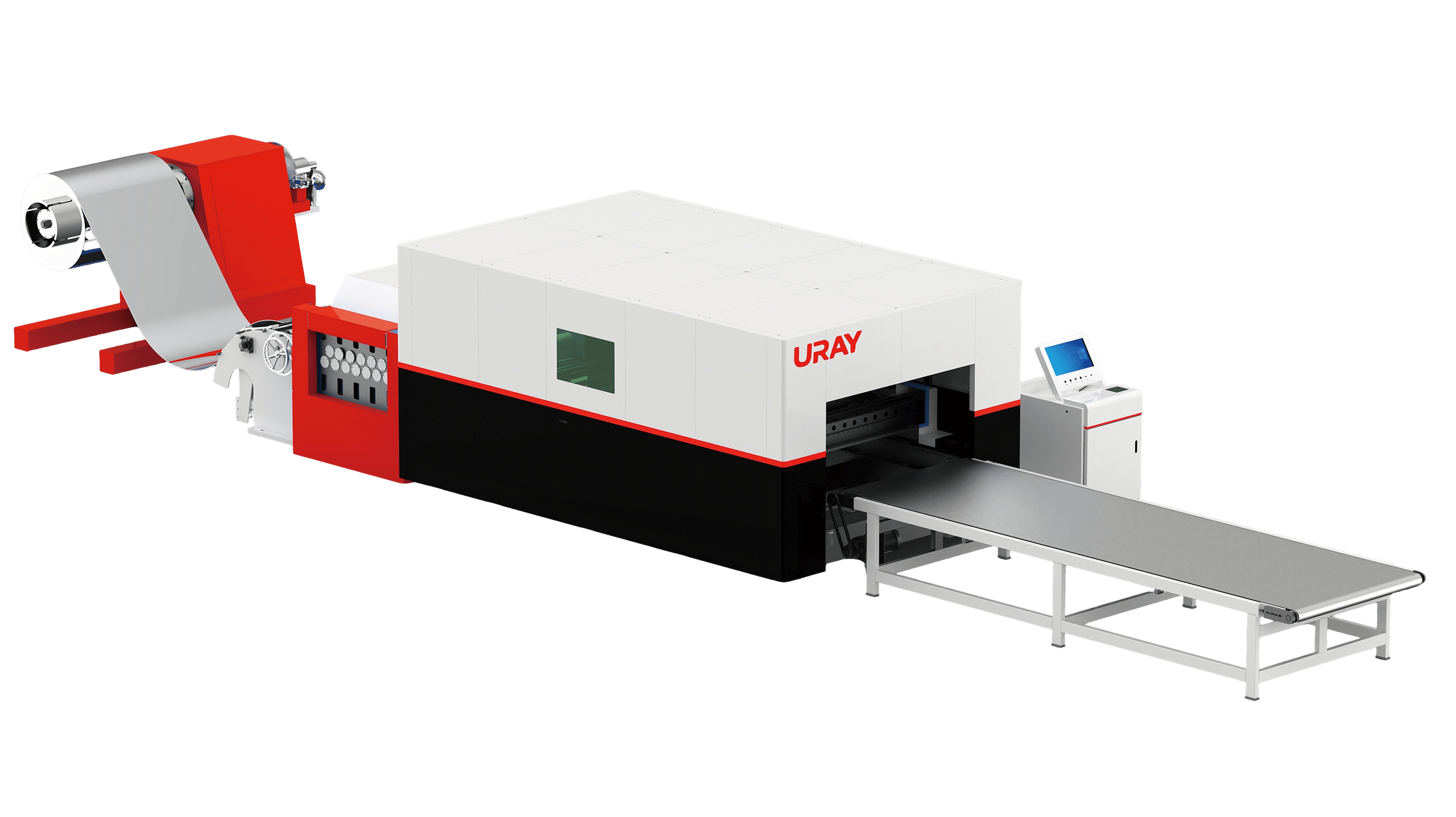
The manufacturing landscape is undergoing a profound transformation driven by advancements in automated laser cutting machinery. As industries demand higher precision, faster throughput, and greater sustainability, traditional cutting methods are being replaced by intelligent systems that integrate artificial intelligence, robotics, and real-time data analytics. Understanding these emerging technologies is essential for manufacturers aiming to maintain competitiveness in an increasingly automated global market. This article explores five key innovations shaping the future of laser cutting automation.
AI-Driven Process Optimization
Artificial intelligence is revolutionizing how laser cutting machines operate by enabling self-learning algorithms that optimize cutting parameters in real time. Modern systems analyze material properties, thickness variations, and historical performance data to automatically adjust power, speed, and focus without human intervention. This adaptive capability reduces setup times, minimizes material waste, and ensures consistent quality across high-volume production runs. Furthermore, predictive maintenance powered by machine learning helps prevent unplanned downtime by identifying component wear before failure occurs.
Integration with Smart Factory Ecosystems
Future laser cutting machines are no longer standalone units but integral nodes within connected smart factory environments. Through Industrial Internet of Things (IIoT) protocols, these systems communicate seamlessly with ERP, MES, and CAD/CAM software to enable end-to-end digital workflows. Real-time production data flows bidirectionally, allowing dynamic scheduling, inventory synchronization, and remote monitoring from any location. This connectivity supports lights-out manufacturing scenarios where automated laser cells operate continuously with minimal supervision, significantly boosting overall equipment effectiveness.
Advanced Beam Control and Multi-Axis Capabilities
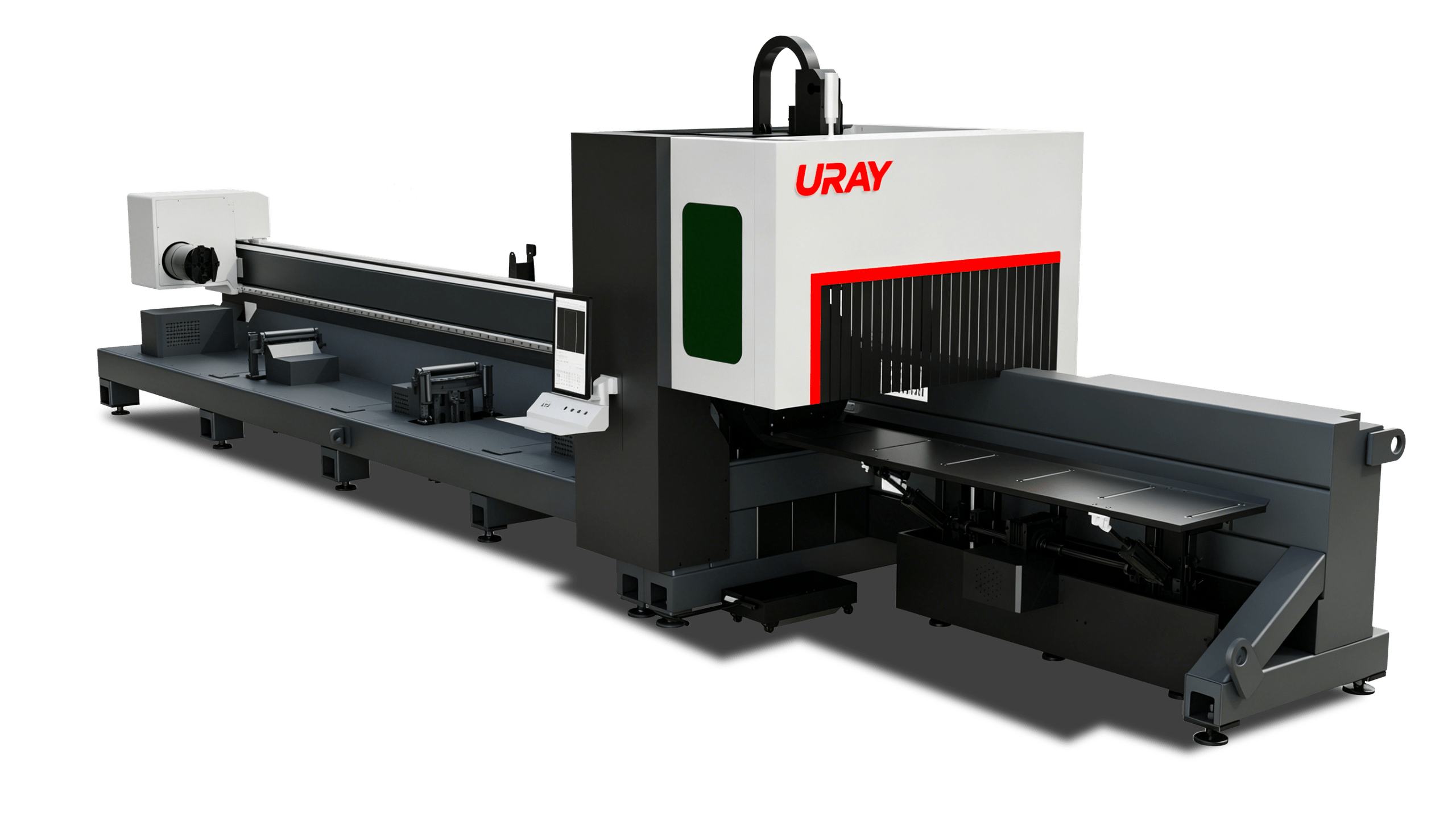
Next-generation laser sources now feature dynamically adjustable beam profiles that can be modified on the fly to suit different materials and geometries. Combined with 5-axis or even 6-axis robotic motion systems, this technology enables complex three-dimensional cutting previously impossible with conventional flatbed machines. Manufacturers can now process tubular structures, contoured surfaces, and intricate assemblies in a single setup. These advancements expand application possibilities into aerospace, medical devices, and electric vehicle components where geometric complexity demands extreme flexibility.
Sustainable and Energy-Efficient Designs
Environmental regulations and operational cost pressures are driving innovation in energy-efficient laser cutting architectures. Newer fiber laser systems consume up to 70% less electricity than older CO2 counterparts while delivering superior cutting speeds. Additionally, regenerative braking in servo motors, intelligent standby modes, and optimized gas consumption algorithms further reduce the carbon footprint of automated cutting operations. Some manufacturers are also integrating renewable energy compatibility and closed-loop cooling systems to align with net-zero sustainability goals without compromising productivity.
Human-Machine Collaboration and Safety Enhancements
Despite increasing automation, human oversight remains critical for exception handling and strategic decision-making. Future laser cutting systems incorporate collaborative safety features such as vision-based presence detection, force-limited robotic arms, and intuitive augmented reality interfaces for programming and troubleshooting. These technologies allow operators to work safely alongside automated cells while reducing training complexity. Voice commands, gesture recognition, and mobile dashboards are also emerging as standard interaction methods, making advanced laser technology more accessible to a broader workforce.
Conclusion
The future of automated laser cutting machinery lies at the intersection of intelligence, connectivity, precision, sustainability, and human-centric design. Manufacturers who proactively adopt these innovations will gain significant advantages in agility, cost efficiency, and product quality. As AI matures, factories become smarter, and environmental standards tighten, laser cutting will continue evolving from a mere fabrication tool into a strategic enabler of next-generation manufacturing excellence. Staying informed about these trends is not optional—it is imperative for long-term industrial success.